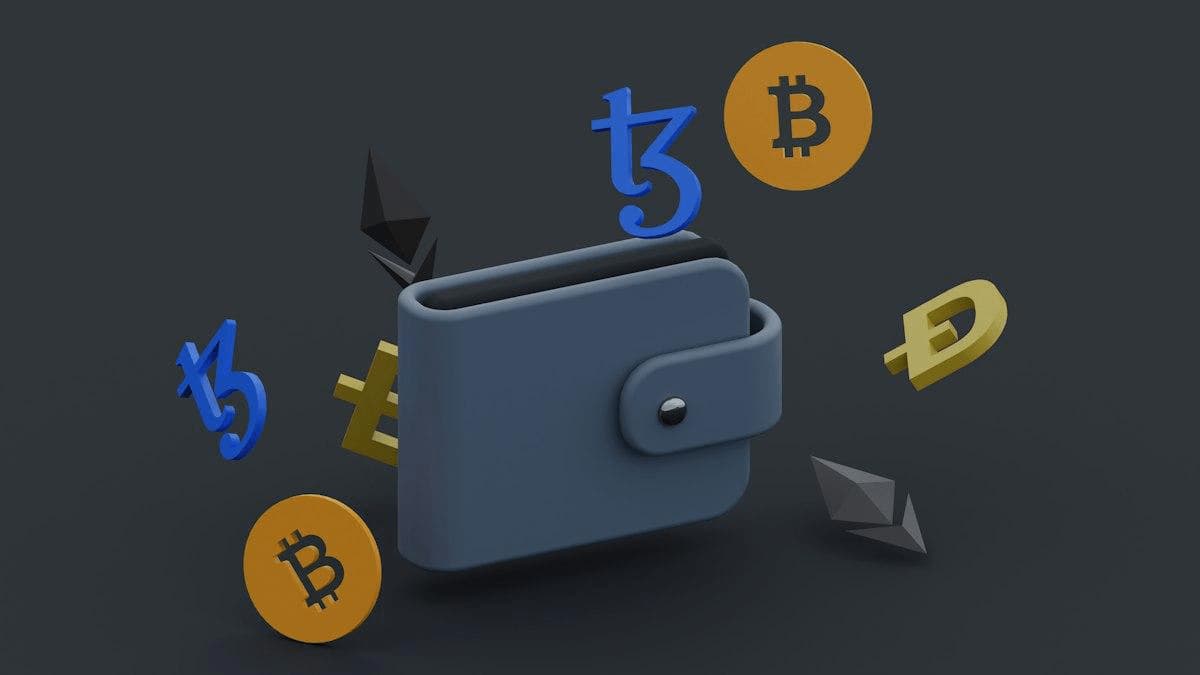
Hot vs Cold Crypto Wallets in 2026: Which One Should You Choose?
Buying your first cryptocurrency is easy. Deciding where to keep it is where many people get stuck. Should your coins live in an app on your phone, in a browser extension, or on a small hardware device in a drawer? The answer comes down to the difference between hot and cold wallets, and in 2026, with more people using crypto for everyday payments, apps and entertainment, that choice matters more than ever.
This guide explains how each type works, compares their strengths and weaknesses, and shows why most experienced users end up with both.
First, What Does a Crypto Wallet Actually Do?
A crypto wallet does not store coins the way a leather wallet stores cash. Your funds always live on the blockchain. What the wallet stores is your private key, the secret that proves you own those funds and lets you sign transactions. Whoever controls the private key controls the crypto. That is why the famous phrase “not your keys, not your coins” still matters.
Most wallets also generate a seed phrase of 12 or 24 words. It is a human-readable backup of your keys: lose the device and you can restore everything with the phrase; lose the phrase and nobody, not even the wallet maker, can help you.
Hot Wallets: Fast and Convenient
A hot wallet is any wallet whose keys are stored on a device connected to the internet. Common forms include:
- Mobile apps such as Trust Wallet, Exodus or Coinbase Wallet.
- Browser extensions such as MetaMask (Ethereum and EVM chains) or Phantom (Solana and more).
- Desktop wallets installed on a computer.
- Exchange accounts, which are custodial: the exchange holds the keys for you.
Hot wallets are free, quick to set up and ideal for frequent transactions, DeFi apps and NFT marketplaces. Their weakness is the connection itself: malware, phishing links and malicious smart contracts can all reach a device that is online.
Cold Wallets: Maximum Security
A cold wallet keeps private keys offline. The most popular form is a hardware wallet, a small device that signs transactions internally, so the keys never touch your computer or phone. Well-known options include Ledger, Trezor, Tangem and Keystone. Some users also keep an offline backup of their seed phrase engraved on steel plates for fire and water resistance.
Cold storage is the gold standard for long-term holdings. The trade-offs are cost (usually between about $50 and $400 for a device) and a little extra friction every time you want to move funds.
| Feature | Hot wallet | Cold wallet |
| Internet connection | Always or often online | Keys stay offline |
| Security level | Moderate; exposed to online threats | High; resistant to remote attacks |
| Convenience | Very high, instant access | Lower, device needed to sign |
| Cost | Usually free | Around 400 |
| Best for | Daily spending, DeFi, apps | Long-term savings, large amounts |
| Main risks | Phishing, malware, bad approvals | Losing the device and the seed phrase |
Popular Wallets to Consider in 2026
| Wallet | Type | Networks | Good for |
| MetaMask | Hot (browser, mobile) | Ethereum and EVM chains | DeFi, NFTs, dApps |
| Phantom | Hot (browser, mobile) | Solana, Ethereum, Bitcoin and more | Solana ecosystem users |
| Trust Wallet | Hot (mobile) | Multi-chain | Beginners, mobile-first users |
| Exodus | Hot (desktop, mobile) | Multi-chain | Clean interface, portfolio view |
| Ledger (Nano / Flex) | Cold (hardware) | Thousands of assets | Long-term storage with app support |
| Trezor (Safe series) | Cold (hardware) | Bitcoin and major assets | Open-source security fans |
| Tangem | Cold (NFC card) | Multi-chain | Simple, card-style cold storage |
The Smart Approach: Use Both
Experienced users rarely choose one or the other. Instead, they treat wallets like a bank account and a savings vault:
- Cold wallet as the vault. Keep the majority of your holdings, the money you do not plan to touch for months or years, on a hardware wallet.
- Hot wallet as the spending account. Keep a smaller balance for day-to-day activity and top it up from cold storage when needed.
- Separate wallets for separate activities. Many people use one hot wallet for trusted apps and a “burner” wallet for experimenting with new projects.
A hot wallet is the natural tool for everyday use: paying for services, swapping tokens on a decentralised exchange, or topping up an account on a platform where you bet sports with crypto during a big match weekend. Because these activities involve frequent, fast transfers, speed matters more than maximum security. The key is to keep only the amount you actually need in that hot wallet, so a single mistake or a compromised app can never touch your long-term savings.
Essential Security Tips for Any Wallet
- Write your seed phrase on paper or steel and store it offline; never photograph it or save it in the cloud.
- Buy hardware wallets only from the official manufacturer or authorised resellers.
- Enable biometric or PIN locks on mobile wallets.
- Check every address before sending; clipboard malware can swap addresses silently.
- Review and revoke old token approvals regularly.
- Be suspicious of unexpected airdrops, “support agents” in direct messages and urgent requests.
Which One Should You Choose?
| Your situation | Recommended setup |
| Just starting with a small amount | A reputable hot wallet with a securely stored seed phrase |
| Holding crypto as a long-term investment | A hardware wallet for most funds |
| Active in DeFi, NFTs or crypto apps | Hot wallet for activity plus a cold wallet for savings |
| Managing large sums | Hardware wallet, steel backup, and possibly multisig |
Final Thoughts
Hot and cold wallets are not rivals; they are tools for different jobs. Hot wallets give you speed and flexibility, while cold wallets give you peace of mind. In 2026 the best setup for most people is simple: a hardware wallet as the vault, a hot wallet for everyday use, and good security habits that protect both.